Describe it before you solve it
Picture puzzles include several different tasks. A hidden-object hunt asks where something is. A spot-the-difference challenge asks what changed. A rebus asks how pictures, letters or positions can stand for words. A visual logic puzzle asks which arrangement follows a stated rule. Knowing which task you have been given prevents a lot of enthusiastic but unnecessary detective work.
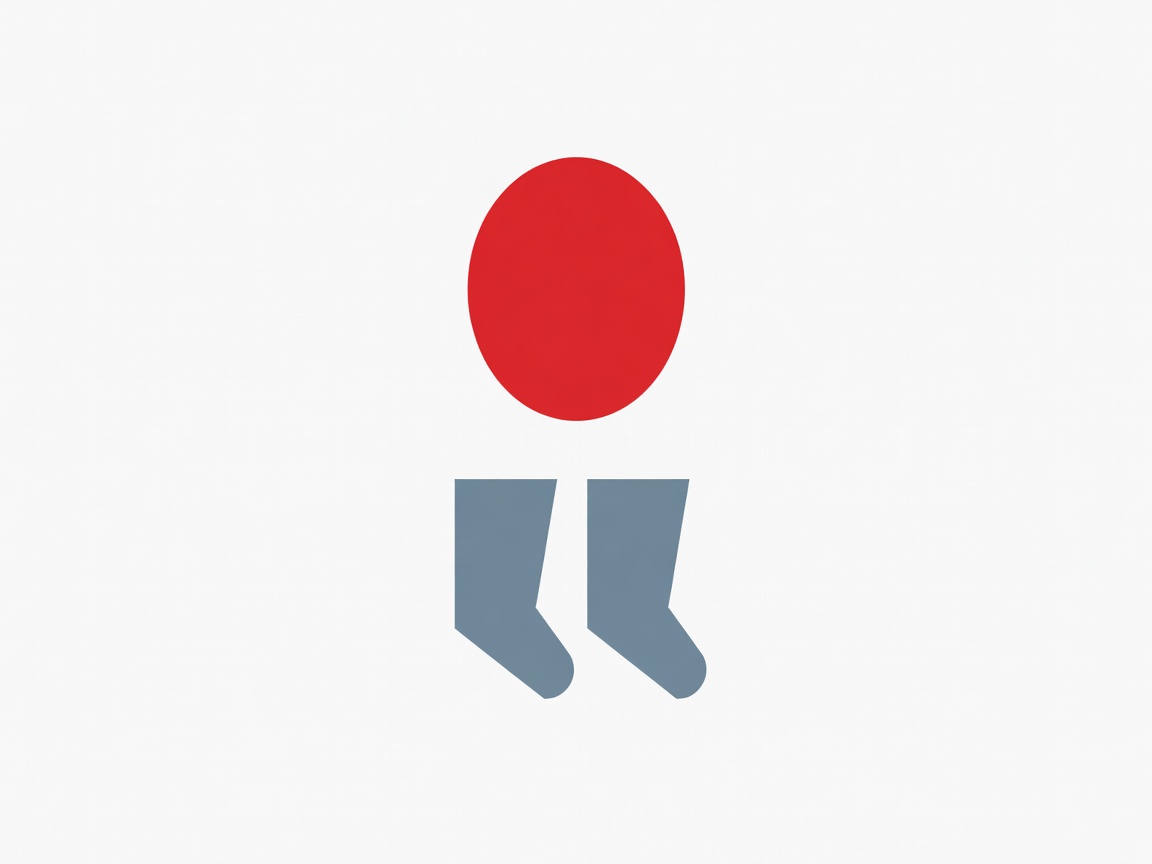
Our practice clue is a rebus. Its important information is not a realistic drawing of someone's head or shoes. It is the arrangement of two printed words. Begin with a neutral description: “HEAD is above HEELS.” That sentence captures the evidence without guessing the answer. From there, swap “above” for the familiar relationship word “over,” and the expression appears.
This describe-first habit helps with more complicated scenes too. Write down a few things you can actually observe: one cup has no handle; a sign points left; the third shape has an extra line. Keep those observations separate from interpretations such as “the cup is broken” or “the sign is lying.” Interpretations can be useful, but only after you know which visible details support them.
Look for relationships, not just objects
In a rebus, words such as “inside,” “outside,” “under,” “between,” and “through” often come from spatial relationships. Repetition may suggest a number or a plural. A word split across a gap may represent a break. These are possible conventions, not automatic rules. The intended phrase must still fit the whole arrangement rather than one convenient corner of it.
A useful contrast comes from René Magritte's The Treachery of Images, which distinguishes a representation from the thing represented. You do not need art history to solve our clue, but the distinction is helpful: a printed word, a drawing, and a real object are not interchangeable. Ask whether the puzzle wants you to read a label, recognise a shape, or interpret how representations relate.
Another familiar comparison is M. C. Escher's Relativity. Its conflicting spatial cues invite viewers to question an ordinary reading of stairs and gravity. Our miniature rebus is much simpler, but both reward checking the relationship you assumed at first glance. These references are examples for discussion; the site is not affiliated with the artists, their estates, or collections displaying their work.
The useful detail is the one the explanation can name—not a secret story the picture never shows.
Distinguish observation from an invented rule
Sequence puzzles deserve particular care. Three shapes do not always determine a unique fourth shape. You may notice alternating colours, increasing sides, a rotating mark, or a combination of those features. Unless the instructions constrain the rule, several continuations may be defensible. A good explanation states which rule it uses and why that rule accounts for every example.
The same caution applies to mystery pictures. A wet pavement does not prove that rain just stopped; someone might have washed it. A missing shadow is not automatically evidence of a ghost. If a puzzle expects a single conclusion, the scene or instructions need to rule out relevant alternatives. Otherwise the interesting discussion is about possibilities, not certainty.
Keep the visual route open to more readers
We provide text equivalents that preserve relationships, not just lists of items. “HEAD, HEELS” would omit the very information needed to solve this clue. “HEAD above HEELS” conveys it. Colour is not the only carrier of meaning, and the interactive answer field is separate from the illustration. You can also open the explanation without typing anything.
If a browser changes line spacing or you enlarge the text, the clue should remain understandable. Our example keeps its two words in a dedicated panel with a clear dividing space. The text equivalent remains available alongside it. If you encounter a layout that changes the intended reading, tell us which page and device you used; a precise description is more useful than a screenshot alone.
Share the route without giving away the turn
When discussing a picture puzzle, start with a neutral prompt: “Did you notice the placement?” is a nudge; naming the final expression is a spoiler. Let the other person decide whether they want that nudge. Afterward, compare the observation that made the answer click. For a clue where the twist lies in wording rather than layout, continue to wordplay and logic.