Start with names, not a grand theory
An emoji riddle uses a short sequence of pictures as a clue to a word, phrase, title or idea. Its charm comes from the gap between seeing an image and deciding how to read it. A picture of a bee might mean the insect, the sound “be,” or simply a buzzing noise. You do not need to settle on the cleverest possibility first. Start with the plainest name.
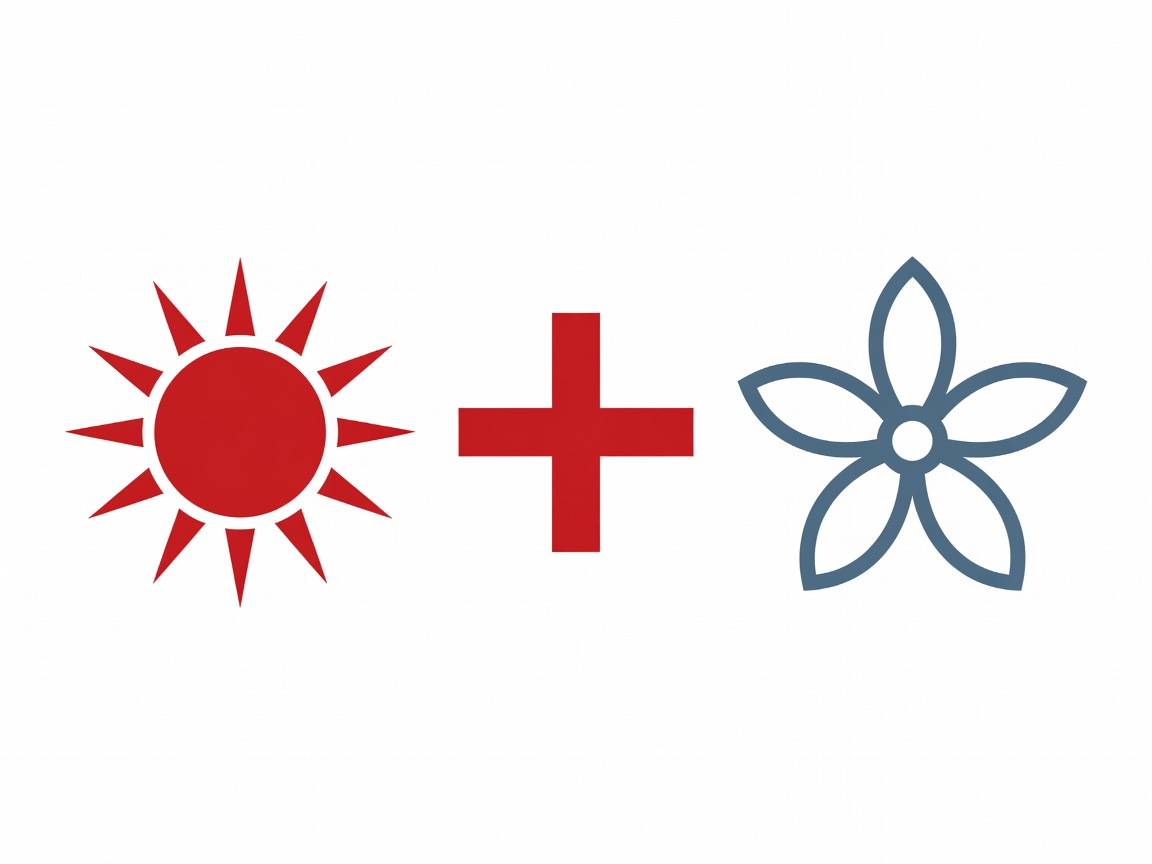
For a compound-word clue, naming the pictures may be enough. SUN plus FLOWER gives SUNFLOWER. A rain symbol followed by a bow could suggest RAINBOW, provided the second picture clearly represents a bow rather than a ribbon or a violin technique. The images should support the intended words, and the instructions should tell you whether to join names, sounds or ideas.
When a direct reading fails, make a tiny list of alternatives. A picture of an eye can be “eye,” “see,” or the sound “I.” A bee can be “bee” or “be.” Try one change at a time. Changing every symbol simultaneously makes it easy to invent a phrase that the clue never really supported. A satisfying answer accounts for the full sequence in a reasonably consistent way.
Ask what kind of answer is wanted
Categories do useful work. If a clue asks for a book title, a sequence involving a little prince has a different direction from a clue asking for a weather word. Familiar titles such as Antoine de Saint-Exupéry's The Little Prince, L. Frank Baum's The Wonderful Wizard of Oz, and Lewis Carroll's Alice's Adventures in Wonderland show how widely a title can differ from an everyday phrase.
That does not make literary trivia a requirement here. It means the category should be stated when the answer depends on a particular reference. A puzzle that quietly expects you to know a film, a regional saying, or a translated title is asking for background knowledge as well as decoding. We prefer to name that expectation instead of treating a missing reference as a failure of reasoning.
Read separators carefully too. A plus sign commonly means “combine,” but a slash might indicate an alternative or a division. Repetition can suggest “many,” “again,” or a plural. If a clue needs a special convention, it should introduce that convention. There is no universal secret grammar shared by every emoji puzzle on the internet.
Say the ordinary names first. The pictures may be doing less complicated work than you expect.
Small pictures can carry several meanings
Emoji are not perfectly fixed drawings. The Unicode Standard identifies encoded characters and sequences, while platforms choose their own artwork. Unicode Technical Standard #51 describes Unicode emoji and their presentation. A symbol can look rounded on one device and sharper on another; small details may be more noticeable in one design. A fair clue should not depend on a barely visible feature that disappears elsewhere.
For that reason, we give our example a text equivalent. “SUN + FLOWER” preserves the relevant names without requiring a particular emoji font. It also helps readers using assistive technology. A description must still be chosen carefully: if the challenge is identifying an object, naming it in the equivalent changes that part of the task. Here the task is combination, so the names are appropriate information.
Check the answer against every symbol
Before opening an explanation, try saying why your answer fits in one sentence. “The first picture gives SUN, the second gives FLOWER, and joining them names a plant” is enough. If you have to ignore a symbol, reverse the order without instruction, and add an unpictured word, your answer may need another look. A short clue should not demand a long rescue operation.
Automatic checking on this site accepts a small set of written forms. It cannot understand every sensible paraphrase or regional expression. If your answer differs, compare the explanation with your own reading rather than treating the feedback as a final verdict. You can prepare a message about an alternative and identify the exact clue. For another visual route, try a picture puzzle, where placement itself becomes part of the sentence.